Why Tasmania’s Tourism Future is Private
As iconic Tasmanian locations face a crisis of overcrowding, a new standard for luxury is emerging. Explore the transition.
.jpg)
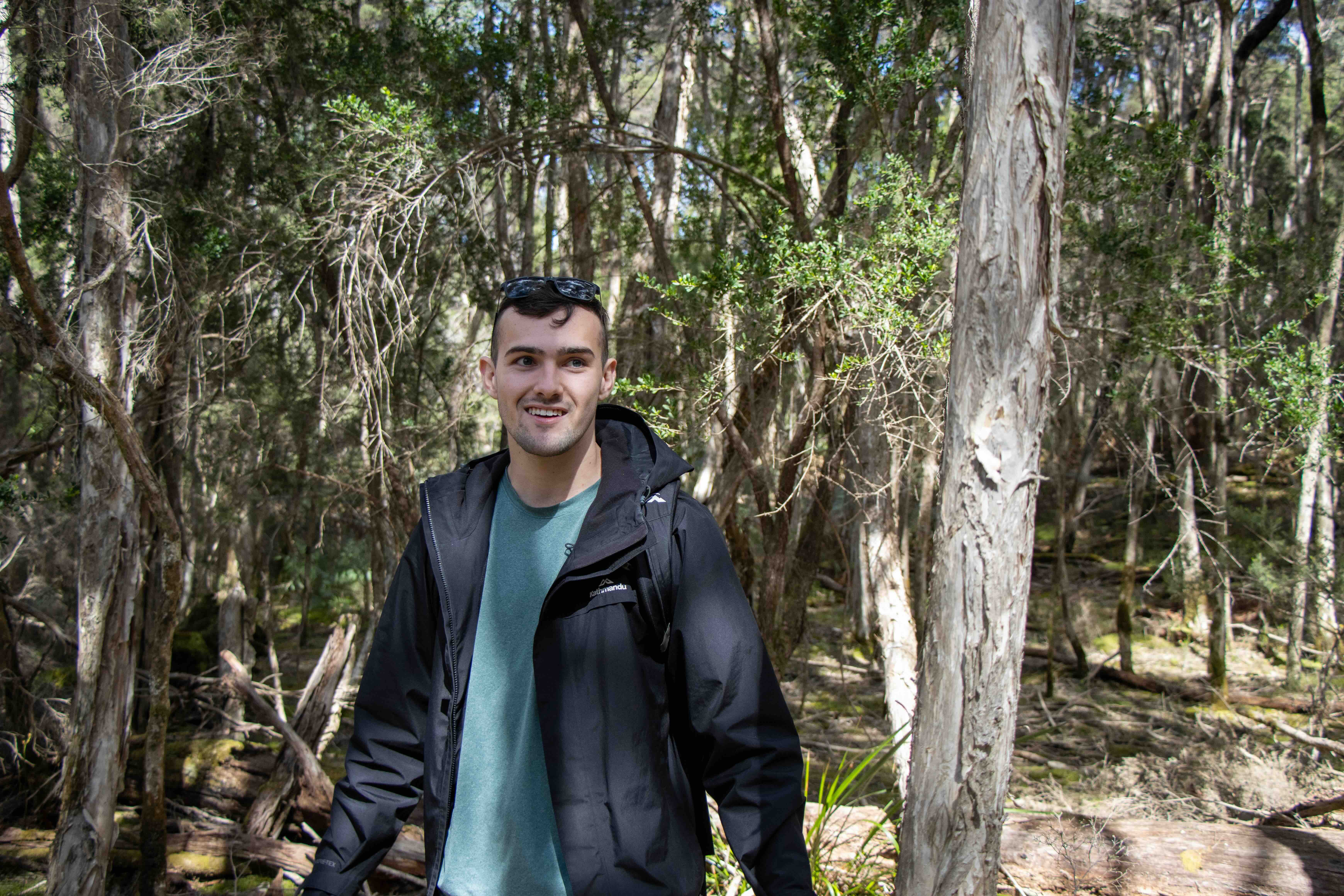
Why Tasmania’s Tourism Future is Private
Tasmania has always been sold as the edge of the world—a place of rugged isolation and untouched wilderness. But if you’ve stood in a queue to take a photo at Dove Lake or struggled to find a quiet moment at Wineglass Bay lately, you know the reality is shifting.
As global travel rebounds, Tasmania’s most iconic "postcard" locations are facing a crisis of success. Overcrowding isn't just a logistical headache; it is an experience killer. When the silence is replaced by the hum of shuttle buses and the chatter of tour groups, the very thing that makes our island special begins to evaporate.
The Problem with "Mass-Market" Nature
For decades, the tourism model has been built on volume. Success was measured by how many thousands of boots hit the Overland Track or how many cars filled the Freycinet car park. However, for the professional traveler—the taxed leader or the advisory firm seeking a genuine reset—volume is the enemy.
Recent industry trends show a sharp pivot away from these "bucket list" checkpoints. Travelers are no longer satisfied with seeing the wilderness through a crowd; they want to be in it, alone. They are seeking what we call "The Seclusion Standard."
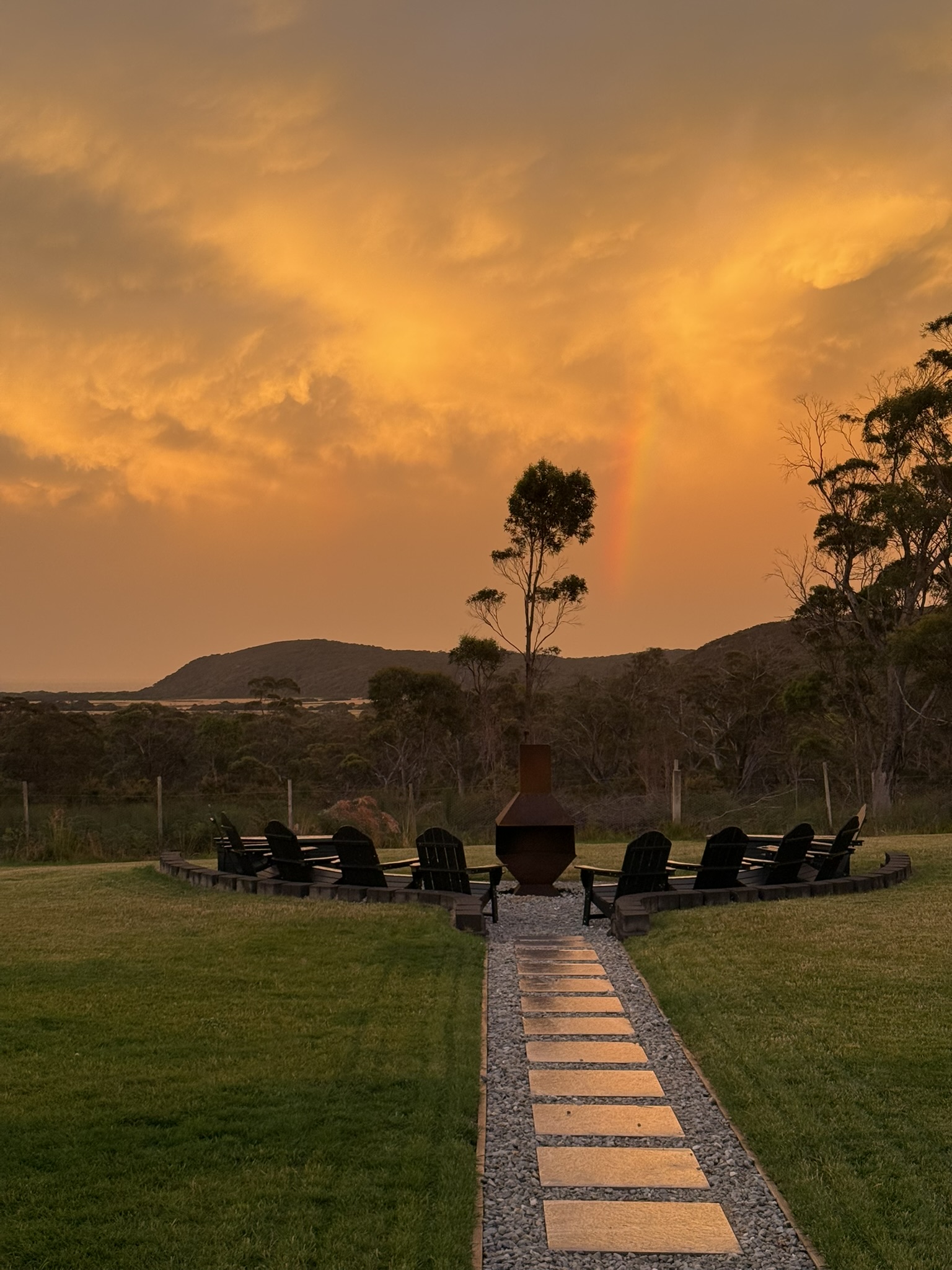
Why Private Land is the Future
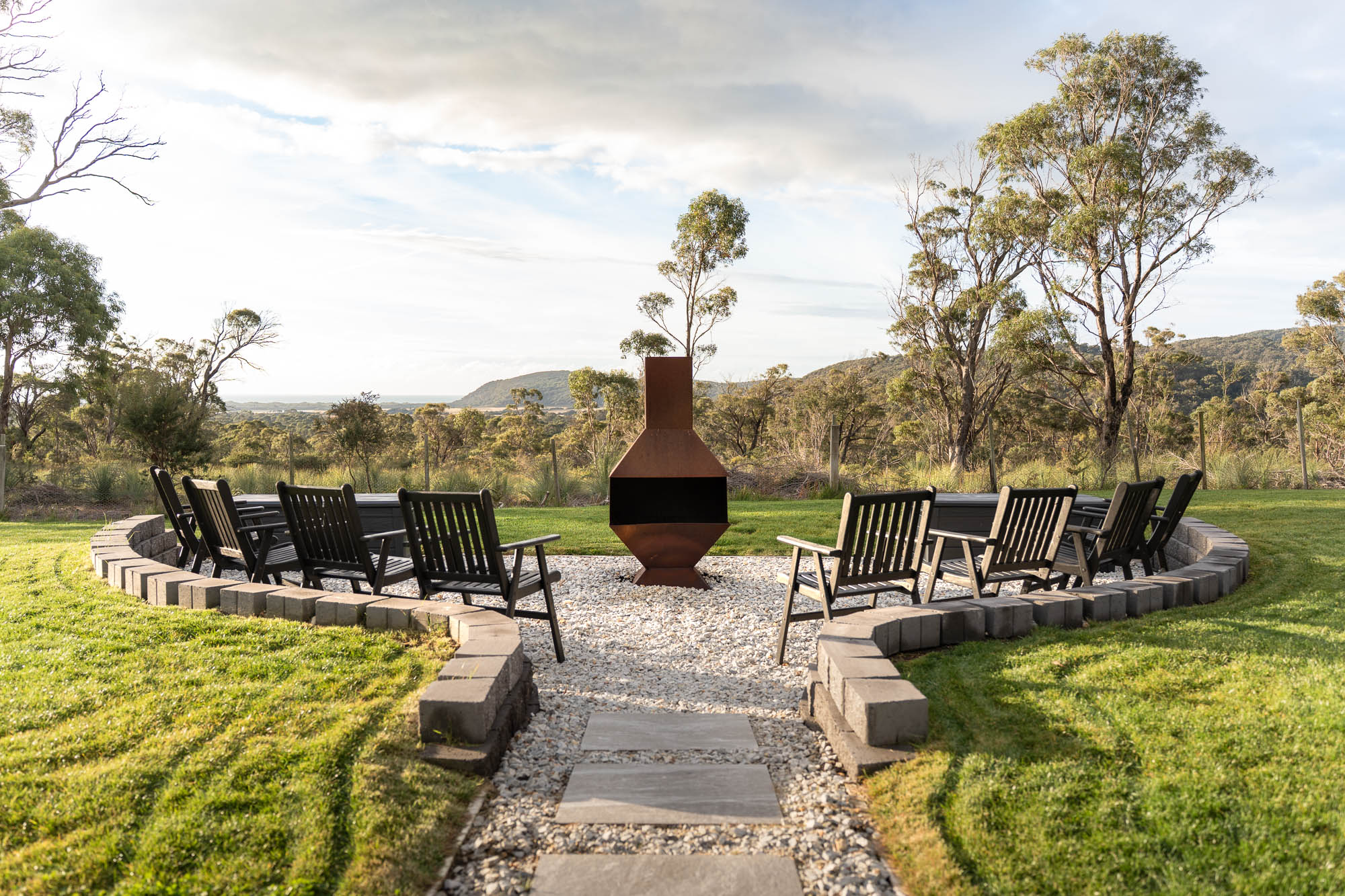
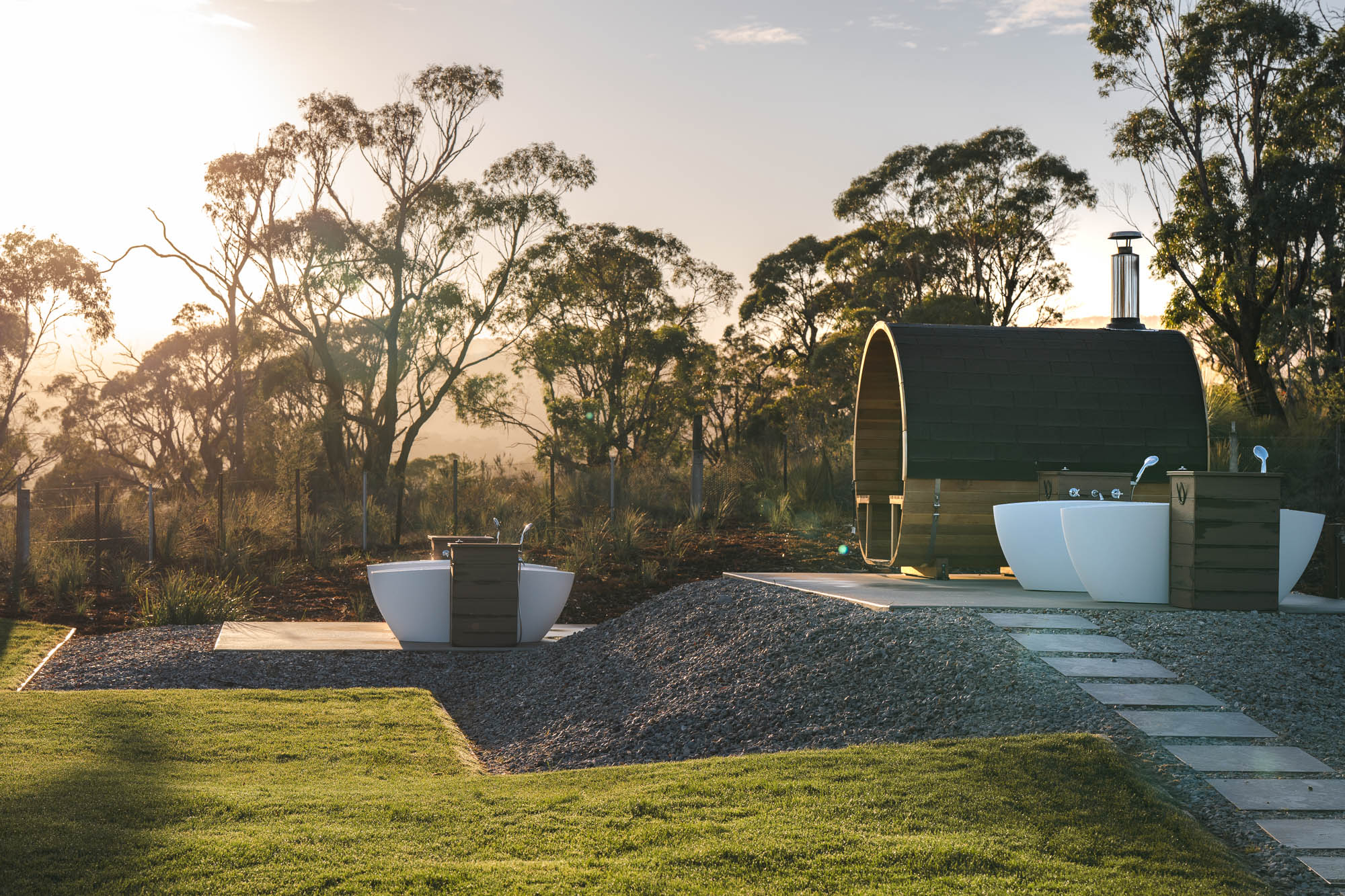
The frustration of overcrowded public parks is the reason we founded Bakers Walking Co. We realized that to protect the Tasmanian experience, we had to move it behind a private gate. Operating on 1,137 acres of private estate—an area twice the size of Monaco—allows us to offer something that public parks no longer can: Guaranteed Solitude.
On private land, the "tourist" doesn't exist. There are no shuttle bus schedules, no paved walkways with handrails, and no strangers in your field of vision. Instead, there are 22 kilometers of hand-built tracks designed to facilitate deep thinking and genuine team alignment.
Redefining Luxury
In the old world of travel, luxury was defined by gold taps and white linen. In the new world, luxury is defined by:
- Silence: The rare ability to hear nothing but the wind and the local wildlife.
- Space: Having over 1,000 acres to your group, ensuring your conversations remain private and your headspace remains clear.
- Stewardship: Knowing that your presence is helping protect private wildlife corridors rather than eroding a public trail.
The Pattern Interrupt
For our corporate and multiday guests, this isn't just about a nice walk. It is a "pattern interrupt". When you remove the distractions of mass-market tourism, you create the conditions for breakthroughs. You can't rebuild a company culture or solve a complex strategic problem when you're navigating a crowd. You need the edge of the world, and you need it all to yourself.
Tasmania’s future as a world-class destination isn't in building bigger car parks at Cradle Mountain. It’s in the quiet, private corners of the North-West, where the wilderness is still wild, and the silence is still absolute.
The Guide’s Log
Read dispatches from the estate, learn about the wild bush and what to expect.
%20Jonathan%20Ayres%20-lpr.jpg)