The Fight to Save the Tasmanian Devil
The Tasmanian devil is the heartbeat of our ecosystem. Beyond the fierce reputation, discover the fight to save this island icon from disease and its road to recovery at Narawntapu National Park.
%20Jonathan%20Ayres%20-lpr.jpg)
The Fight to Save the Tasmanian Devil
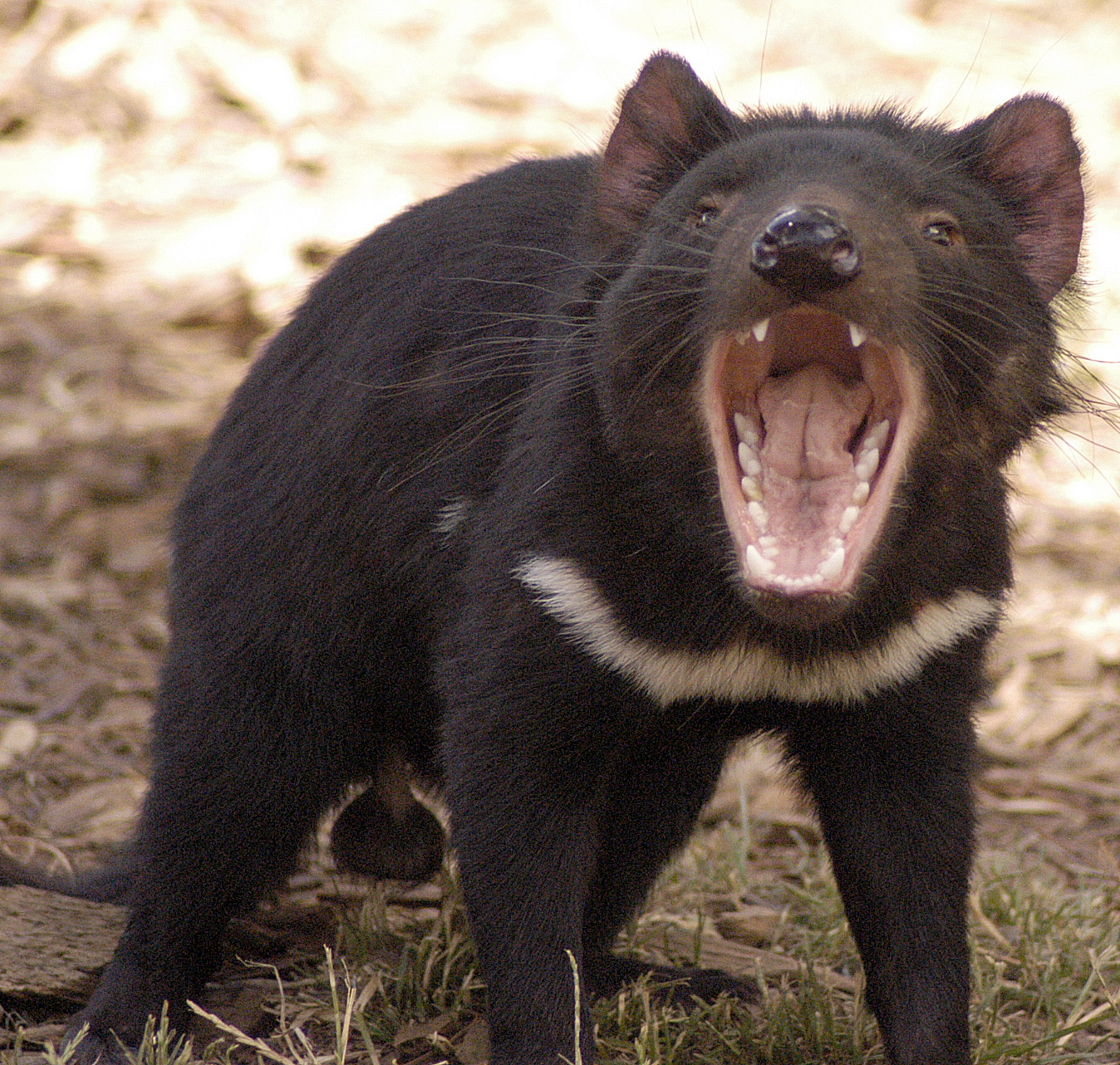
To the first people who heard them in the bush at night, the sounds were terrifying. The unearthly growls and screams coming from the dark earned the Tasmanian devil its name. But once you get past the fierce reputation, you find the animal that keeps the Tasmanian ecosystem functioning.
Why the devil is special
The Tasmanian devil is the largest meat-eating marsupial left on earth. They are the island's natural clean-up crew. Because they are scavengers with incredibly strong jaws, they process entire carcasses, including the bones. This helps stop the spread of disease and keeps the populations of invasive pests like feral cats and foxes in check. Without them, the balance of the Tasmanian bush would fall apart.
Where the trouble started
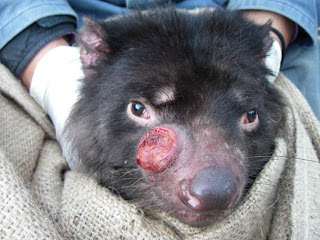
The biggest threat to the devil didn't come from predators or loss of habitat. It was a silent, biological disaster. In 1996, a devastating condition called Devil Facial Tumour Disease (DFTD) was discovered in the northeast of the state.
Unlike most cancers, this one is contagious. Because devils are social and often bite each other when they feed or mate, the disease spread rapidly through the population. It is almost always fatal. Since it was first found, wild populations have dropped by about 80%, and in some parts of the state, they almost disappeared entirely.
The fight to bring them back
The effort to save the species has been massive. Scientists and conservationists spent years building insurance populations on isolated islands and in specialized sanctuaries to make sure the devil wouldn't go extinct.
There is finally some hope on the horizon. We are starting to see signs that wild devils are evolving and developing natural immune responses to the tumors.
Programs are also working on vaccines and better ways to manage the wild populations as they start to stabilize.
Narawntapu and the road to recovery
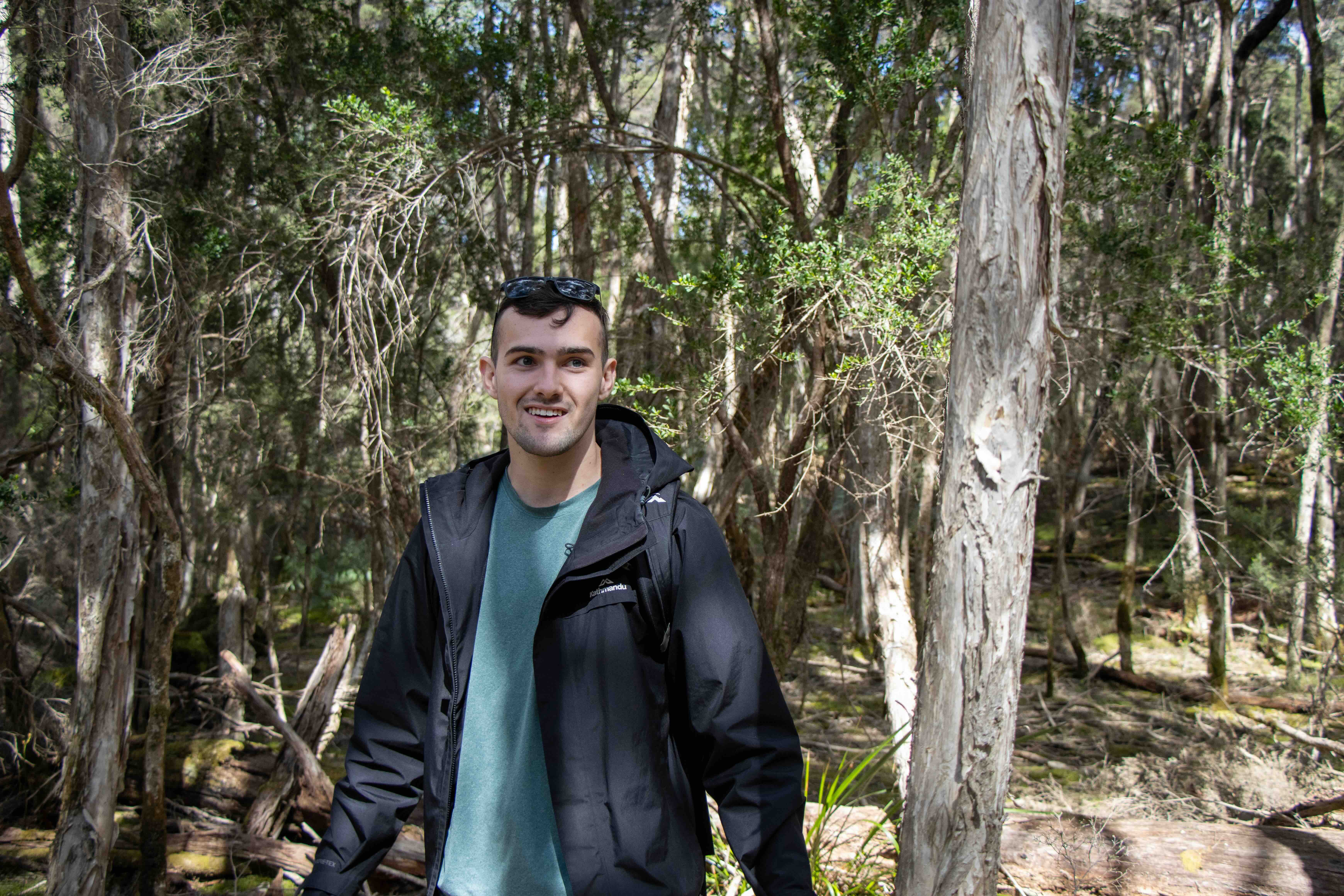
Narawntapu National Park is a vital part of this recovery story. Because the park has such a high density of wildlife and open plains, it is an ideal location for the Save the Tasmanian Devil Program to do its work.
The park is used for regular catch-and-release health checks. Researchers set specialized traps to safely catch the local devils, record their health data, and check for signs of disease before releasing them back into the wild. These checks are a primary source of information for scientists trying to understand how the species is recovering in the wild.
When we take groups through Narawntapu, we are walking through a landscape that is actively being protected. You might not see a devil during the day, but knowing they are out there in the shadows, doing their job as the guardians of the bush, makes the experience of the park much more meaningful.
It is a reminder that the wild isn't just something to look at—it is something we have to work to keep.

The Guide’s Log
Read dispatches from the estate, learn about the wild bush and what to expect.